Reviewed · KYOTO
The right way to know Kyoto
Kyoto is too big to wing it. This private walking tour keeps you on track with an expert guide, hotel pickup, and a clear route from torii gates to the Golden and Silver Temples.
I like the small group (up to 6) feel, because you get real back-and-forth instead of hearing history through a crowd’s elbows. I also like that the route includes free highlights like Fushimi Inari-taisha and the bamboo trail, so you’re not paying all day just to stand in line.
One thing to watch: the time is tight. With a 6-hour format, you’ll cover the core stops, but you may feel rushed if you’re trying to add lots of extras on top.
In This Review
- Key points that make this Kyoto experience worth it
- Getting your bearings in Kyoto without the stress tax
- Price and value: $371.41 per group, not per person
- Start near Kyoto Station: a practical launch pad
- Fushimi Inari-taisha: the torii corridor you’ll want explained
- The Bamboo Forest Trail: where you slow down on purpose
- Kinkakuji (Golden Pavilion): plan for paid entry time
- Ginkakuji (Silver Pavilion): the calmer companion to the gold
- Walking pace and transit reality: you’ll be on your feet
- What you actually get from an expert guide (beyond facts)
- Who this Kyoto private tour fits best
- A quick checklist for planning your day well
- Should you book this private Kyoto walking tour?
- FAQ
- What’s included in the tour price?
- Are entrance tickets included for Kinkakuji and Ginkakuji?
- Is there free admission at any stops?
- How long is the tour?
- Is this a private tour?
- Does the tour offer pickup?
- Where does the tour start and end?
Key points that make this Kyoto experience worth it
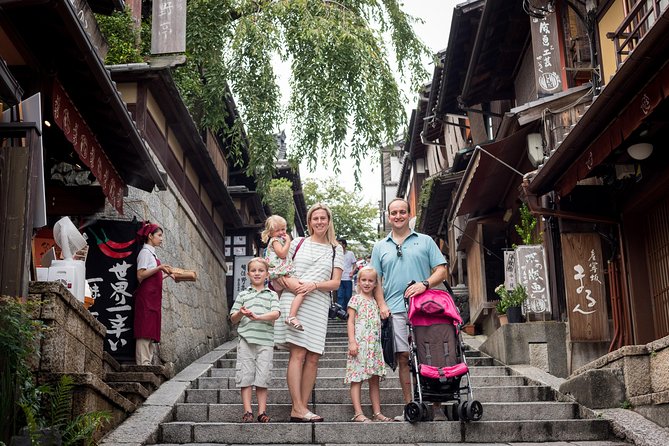
- Private group up to 6 means your pace and questions actually matter
- Hotel pickup + return to Kyoto Station meeting point reduces planning friction
- Fushimi Inari-taisha, Bamboo Forest Trail, Kinkaku-ji, Ginkaku-ji hit the city’s biggest contrast points
- Free admission at two stops (Fushimi Inari and the bamboo trail) helps value
- Guides who can steer you around crowds can turn famous sites into something calmer
- Mobiles tickets and an expert guide keep the day simpler than a DIY temple sprint
Getting your bearings in Kyoto without the stress tax
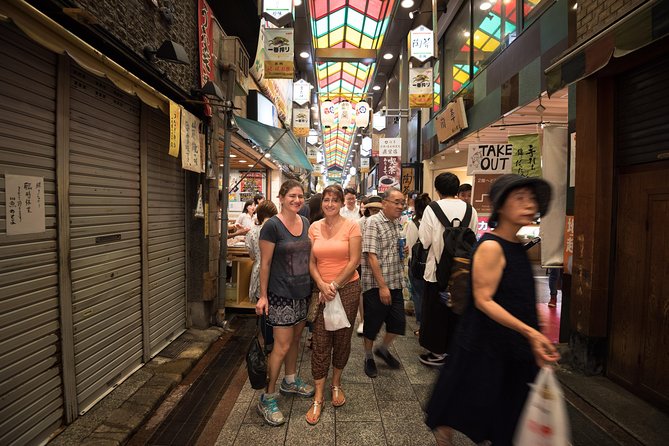
Kyoto is famous for temples—also famous for congestion. The smart play here is using a guide to do the navigation and context work so you spend your energy looking up, not at maps.
This is a private walking tour with an expert guide, timed for about 6 hours. It’s built around major landmarks you’d come to see anyway, but the real win is the human layer: someone who can explain what you’re seeing and adjust as your interests show up.
You’ll also get personal attention. That sounds nice in a brochure, but in Kyoto it matters because you don’t want the experience to become a race against other people’s camera angles.
Still mapping out your days? A few more Kyoto tours worth a look.

Price and value: $371.41 per group, not per person
The price is $371.41 per group (up to 6) for about 6 hours. That pricing works best when you’re not traveling solo—think families, two couples, or friends who can split the cost.
Where the value comes from is not just “a guide.” You’re paying to reduce wasted time: figuring out trains/buses, figuring out entrances, and guessing what matters most at each site. Multiple guides in this company’s orbit are known for helping people use public transportation confidently, plus keeping the walk moving with fewer missteps.
Also, note what’s included and what’s not: you’re paying for the expert guide, while entrance tickets, transportation, and meals are not included. So you’ll want a realistic budget for temple admissions at the ticketed stops (more on that next).
Start near Kyoto Station: a practical launch pad
The tour starts and ends back at the meeting point around Kyoto Station. That matters because Kyoto Station is the hub for a lot of routes, so you’re not trapped in the middle of nowhere if you’re hopping between areas.
You may also have pickup offered (including hotel pickup), depending on how your day is set up. And since it’s near public transportation, getting there and leaving after the tour should feel normal rather than like a scavenger hunt.
The tour runs Monday through Sunday from 9:00 AM to 3:00 PM, so you’re usually choosing a daytime slot rather than an late-night scramble.
Fushimi Inari-taisha: the torii corridor you’ll want explained
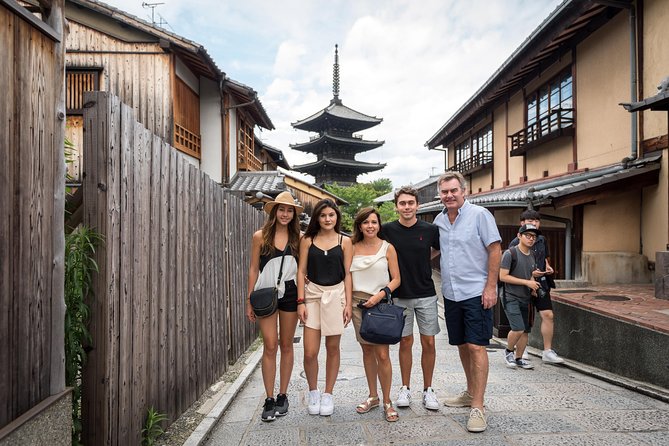
Your first stop is Fushimi Inari-taisha Shrine, with about 1 hour there. This is the famous orange torii tunnel—an unending corridor of gates that can look like one long photo spot until someone shows you what to notice.
A good guide helps you avoid common mistakes at Inari. Instead of just walking until your legs are tired, you learn how the shrine fits into Japanese religious practice and why certain spots matter. Inari isn’t just decoration; it’s a place where details have meaning.
Practical tip: expect crowds. Even with a guide’s help, this is a headline destination. The difference is that you won’t feel like you’re simply moving through other people’s schedules.
Good news for budgeting: admission is free at this stop.
The Bamboo Forest Trail: where you slow down on purpose
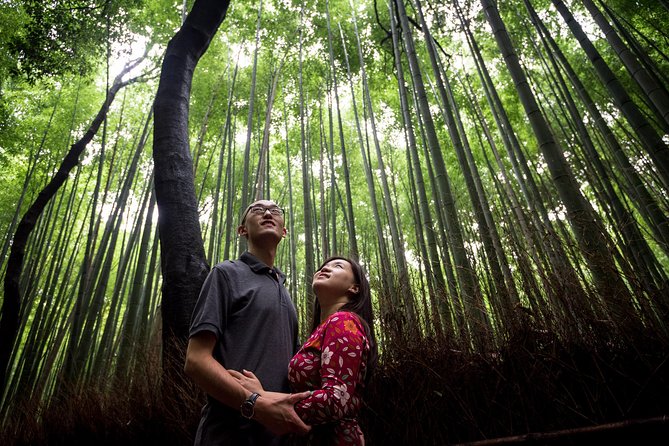
Next up is the Bamboo Forest Trail, about 45 minutes. This is your chance to step out of the shrine energy and get some air—just enough time to enjoy the grove’s calm without burning your whole day.
Bamboo sites can be tricky. The photos look serene, but they can be busy too. A guide can help you move in a way that keeps the walk enjoyable and helps you find quieter pockets when possible.
For value, this is another free stop, so it’s a nice “pay nothing, experience a lot” section.
Kinkakuji (Golden Pavilion): plan for paid entry time
Then it’s Kinkakuji Temple—the Golden Pavilion—with about 1 hour. This is the stop most people remember even if they can’t explain why right away, so I recommend using that hour for more than one quick look.
Because entrance tickets are not included, you’ll want to buy or budget for the ticketed temple entry. The guide’s job here is to help you read the scene: why the layout matters, what the setting is designed to do, and what to look for as you move around.
This is also where you’ll notice how different guides work. In past tours, guides like Paco have been praised for steering people toward less crowded perspectives and giving helpful tips that made the rest of the trip easier. That kind of guidance can make Kinkaku-ji feel less like a checklist item.
Ginkakuji (Silver Pavilion): the calmer companion to the gold
Your last main shrine-temple pair is Ginkakuji Temple, also about 1 hour. It’s known as the “Silver Pavilion,” and it has a quieter, Zen-style atmosphere with gardens and a sense of wabi-sabi—the beauty of imperfection and simplicity.
As a contrast to Kinkaku-ji, Ginkaku-ji can feel like the “exhale” in the day. This is where you’ll appreciate details: the pacing, the garden design, and the way the space encourages you to slow down.
Again, entrance tickets are not included for this stop. Plan for paid entry, and plan for it to be worth it by using the guide’s commentary instead of just photographing and moving on.
Walking pace and transit reality: you’ll be on your feet
This is a walking tour, and the tour’s smoothness depends on your readiness for steps and transit. Some guides in this group have been specifically praised for navigating public transportation efficiently and keeping the day organized.
Transportation is not included, and meals are not included, so you should expect to pay for transit separately as needed. The route is built to work with city movement rather than turning it into one long slog in the same direction.
Here’s the practical mindset I’d use: pack comfortable shoes, keep your water bottle close, and treat breaks as part of the plan, not something you discover by accident.
If it rains, expect the day to feel slower. One review mentioned a rainy day reducing time for the intended learning moments, which is exactly what can happen when visibility drops and everyone moves more carefully.
What you actually get from an expert guide (beyond facts)
The best thing about this tour isn’t just that you visit famous temples. It’s how the guide turns the sites into a story you can understand while you’re standing there.
In these tours, guides such as Tom and Jose have been praised for tailoring pacing and answering questions, including helping people navigate trains and buses. Other guides, like Esteban, have been noted for explaining practices (in that case, Shinto details at Fushimi Inari) and even making the experience feel personal.
A guide also helps you ask the right questions. When you’re walking from torii gates to golden and silver pavilions, it’s easy to miss what’s different between Shinto space and Zen temple space. With the right commentary, the sites stop feeling like separate Instagram backdrops.
Who this Kyoto private tour fits best
This works especially well if you:
- Want major Kyoto highlights in one focused day without planning every transfer
- Like learning cultural context while you walk
- Prefer private touring (up to 6 people) so your group can set the pace
It’s also a solid fit for families, including teens, since guides have been praised for keeping younger people engaged and building confidence with public transport.
If you’re the type who wants to wander completely solo with no structure, you might feel boxed in by the core sequence. And if you’re hoping to add lots of extra stops beyond the main four, budget extra time.
A quick checklist for planning your day well
Since entrance tickets and transportation are not included, I’d plan like this:
- Bring money or payment ready for Kinkaku-ji and Ginkaku-ji entry
- Wear shoes that can handle uneven sidewalks and temple grounds
- Keep your schedule flexible for weather and crowd flow
- Set expectations for a strong highlights day, not an all-day wandering buffet
Also, because it’s a private tour with a mobile ticket and confirmation at booking, you’re not wrestling with complicated pickup instructions. Still, double-check your start time within the 9:00 AM–3:00 PM window.
Should you book this private Kyoto walking tour?
Book it if you want a guided, on-foot Kyoto day that hits the big names—Fushimi Inari, Bamboo Forest Trail, Kinkaku-ji, and Ginkaku-ji—without turning your trip into map anxiety.
Skip it (or at least reconsider) if:
- You hate walking and don’t want to use public transit at all
- You’re expecting everything to be included (tickets, meals, transport are not included)
- You want a long list of extra detours beyond the main stops in a fixed 6-hour window
If you can handle a full, active day and you value context, this tour is a strong way to see Kyoto’s signature contrasts with someone steering the day for you.
FAQ
What’s included in the tour price?
The tour includes an expert guide. Entrance tickets, transportation, and meals are not included.
Are entrance tickets included for Kinkakuji and Ginkakuji?
No. Kinkakuji Temple and Ginkakuji Temple list admission tickets as not included. You’ll need to plan for those ticket costs.
Is there free admission at any stops?
Yes. Fushimi Inari-taisha Shrine and the Bamboo Forest Trail both show admission as free.
How long is the tour?
The duration is about 6 hours.
Is this a private tour?
Yes. It’s a private tour/activity, and only your group participates. The group size is up to 6.
Does the tour offer pickup?
Pickup is offered, and hotel pickup is mentioned in the tour overview.
Where does the tour start and end?
It starts at Kyoto Station (Kyoto, Shimogyo Ward) and ends back at the meeting point. The tour is scheduled within 9:00 AM–3:00 PM.