

Reviewed · KYOTO
Original rugs handmade in Kyoto
Kyoto has a way of making you slow down. This experience starts near Shimogamo Jinja and pairs that calm setting with a hands-on rug session at tufting studio CREA. I love the fact that you can design something completely yours, then take the finished rug home the same day, and I also love the supportive teaching style led by Hayato. One thing to consider: this is a short 2-hour experience, so you’ll want to have a clear idea of your design before you sit down at the machine.
The studio sits about a minute from a World Heritage Site, and the area around it has plenty of food options if you want to extend your day. It’s also easy to reach from Kyoto Station by bus, and you’ll be in a small group setting, capped at 6 people. For beginners and even kids, that small size matters—it makes it easier to get help when you need it.
In This Review
- Key Highlights You’ll Care About
- The Big Idea: A Handmade Rug You Actually Design
- Studio CREA Location: Shimogamo’s Quiet Start
- How the Kyoto Stops Fit: Shimogamo, Ginkakuji, and the Kamogawa Delta
- Shimogamo Jinja: A World Heritage Calm
- Ginkakuji Temple: A More Recognizable Kyoto Moment
- Kamogawa Delta: A Breather Between Stops
- Thread Choice Matters: Picking From About 60 Options
- The Tufting Session: Machines, Apron, and Step-by-Step Help
- Your 30cm Rug: A Souvenir You’ll Actually Use
- Group Size and Pace: Why Up to 6 People Feels Different
- Price and Value: What $84.70 Gets You in Kyoto
- Who This Workshop Suits Best
- Should You Book Atelier NIN at Studio CREA?
- FAQ
- How long is the rug-making experience?
- Where do I meet for the activity?
- What size rug can I make?
- Can I choose the colors or threads?
- Do I take the finished rug home the same day?
- What’s included in the price?
- Is air-conditioning included?
Key Highlights You’ll Care About
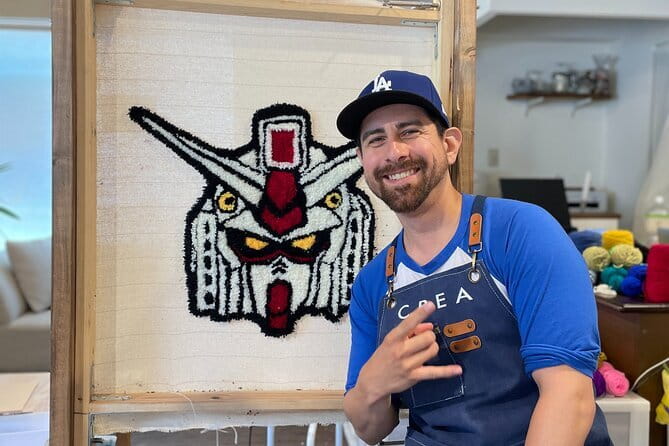
- A true handmade Kyoto souvenir: you create a rug based on your own design and take it home the same day
- 60 thread choices: pick from about 60 thread types lined up in the studio
- Small group size: up to 6 travelers, which keeps instruction personal
- Guidance that works for first-timers: staff walk you through the process step-by-step
- A prime location to pair with sightseeing: the experience centers around Shimogamo, Ginkakuji, and Kamogawa Delta areas
The Big Idea: A Handmade Rug You Actually Design

If you’ve ever bought a souvenir in Kyoto and thought, I’d rather have something I made myself, this is the fix. The workshop is built around one core promise: you’ll give shape to your own free ideas. That sounds simple, but the practical result is that the rug doesn’t feel like a store purchase. It feels like your decision—color choices, pattern direction, and how you want the final piece to look at home.
You’ll be making a rug up to about 30 cm square or rectangular. That size is important. It’s small enough to finish comfortably in a short session, but big enough to hang or place without it looking like a craft token.
And because the completed rug can be taken home the same day, you don’t have to worry about timing later in your trip. You’re not hunting for a place to store something bulky overnight. You’re turning an afternoon into an instant keepsake.
Still mapping out your days? A few more Kyoto tours worth a look.



Studio CREA Location: Shimogamo’s Quiet Start
The meeting point is tufting studio CREA 1F at 7-1 Shimogamo Nishibayashichō in Sakyo Ward. The studio is about one minute away from Shimogamo Shrine, which changes the feel of the experience. Instead of starting in a generic workshop area, you begin in a neighborhood where Kyoto’s everyday rhythm shows up fast.
This also helps if you’re planning your day. The studio area has many restaurants around it, so you can eat before or after without needing a big detour. It’s also easy to get to by bus from Kyoto Station, which is useful if you’re trying to avoid complex transfers.
One practical tip: wear shoes you’re comfortable in for short walks between sights. Even with a short overall schedule, you’ll be moving around enough that comfy footwear pays off.
How the Kyoto Stops Fit: Shimogamo, Ginkakuji, and the Kamogawa Delta
The schedule includes three Kyoto landmarks: Shimogamo Jinja, Ginkakuji Temple, and Kamogawa Delta (Kyoto Prefectural Kamogawa Park). Think of this as a framing of your day—where the workshop is rooted in Kyoto’s real visual atmosphere, not just a standalone craft class.
Here’s what each stop adds to your experience:
Shimogamo Jinja: A World Heritage Calm
Starting near Shimogamo Jinja sets a steady tone. You get a taste of Kyoto that feels less like a checklist and more like a place people actually visit in quiet time. If you like photographs, this is one of those areas where the light and the mood do a lot of the work for you.
Potential drawback: this kind of calm can make the session time feel fast. Since the total experience is about two hours, you’ll want to balance lingering with getting your hands on your rug project.
Ginkakuji Temple: A More Recognizable Kyoto Moment
Ginkakuji Temple is a major Kyoto name, so it gives you that classic “I’m here” feeling. Pairing it with a craft experience helps avoid the common problem where you see a bunch of sights and then later spend money on something you don’t connect with. You’ll still get the Kyoto highlight, but you’ll also leave with a personal item.



Kamogawa Delta: A Breather Between Stops
Kamogawa Delta (within Kamogawa Park) adds an open-air break. When you’re doing something hands-on right after being outdoors, this kind of setting can make the transition smoother. It’s the sort of stop that feels good when you want a pause before you focus on fine details like patterning and color choices.
Thread Choice Matters: Picking From About 60 Options
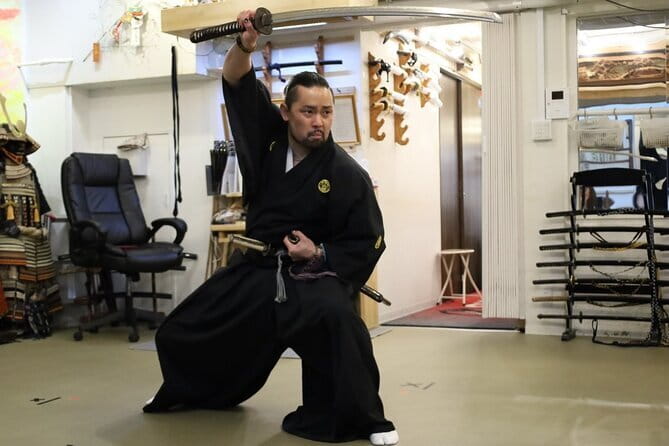
Tufting studio CREA gives you thread options—about 60 types—so your rug won’t be limited to a handful of “classroom colors.” This is where the experience becomes personal in a real way.
You’ll freely choose your thread from the studio lineup. In practical terms, that means you should spend a minute thinking before you decide. Ask yourself:
- Do you want bold contrast or more muted tones?
- Is your design mostly line-based, or does it include filled areas?
- What colors do you want to dominate so the rug reads clearly at a glance?
A helpful mindset: design for how you’ll display it later. A small rug looks best when it has a clear focal point—so even if you’re experimenting, pick one element to be the star.
The Tufting Session: Machines, Apron, and Step-by-Step Help
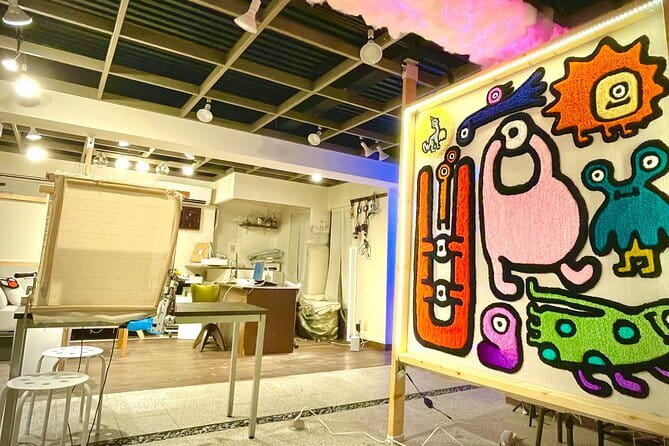
You’ll rent the specialized machine for the rug tufting process. The good news is that you’re not left to figure it out on your own. Staff provide detailed explanations, and the experience is structured so even beginners can feel at ease.
You’ll also get an apron to help keep your clothes clean. That’s a small detail, but it’s one of those “smart design” inclusions. It reduces stress, and it means you can show up without worrying about ruining your best shirt on day one.
One of the most praised parts of the experience is the instruction quality, including the warm, effective teaching from Hayato. In plain terms, this matters because the machine work is only part of what makes the rug good. Your comfort matters too. When the guidance is clear and patient, you’re more likely to make a piece you genuinely like.
And yes, you can treat this as a fun activity rather than a test. The overall vibe is described as relaxing and meaningful, which is exactly what you want from a craft class during a sightseeing-heavy trip.
Your 30cm Rug: A Souvenir You’ll Actually Use

The best part of making a rug in Kyoto is that it gives you something you can live with. You’re not just buying an object—you’re building a piece that can fit into your routine.
The completed rug can be hung in an entryway, placed in a living room, or mounted on the wall. When you imagine those locations ahead of time, you naturally guide your design choices toward something that works in real space.
Also, because you can take the rug home on the same day, it’s perfect if you’re trying to travel lighter with souvenirs. You’re creating the item when you’re already in Kyoto—no shipping games, no waiting weeks.
Practical consideration: because the rug is around 30 cm, it’s meant for display or placement rather than covering a big floor area. If you want a full-size rug, this might not match your goal—but if you want a Kyoto-made decorative piece, it’s an ideal size.
Group Size and Pace: Why Up to 6 People Feels Different
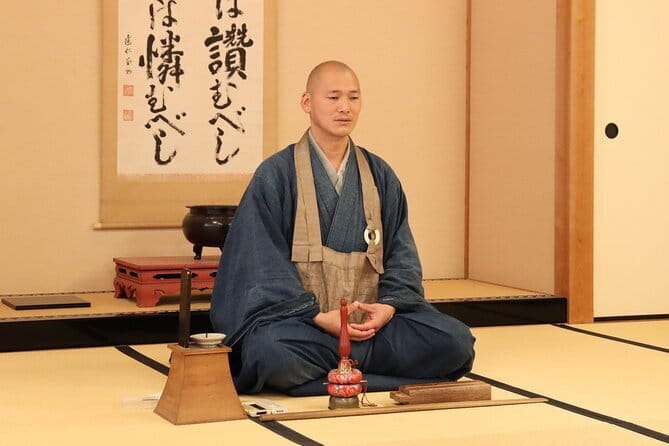
This experience runs with a maximum of 6 travelers. That small group size shows up in how the workshop feels. You get more attention, more chances to ask questions, and less time watching other people instead of doing your own thing.
That’s also why this works well for:
- Families with children (kids usually do better when they’re not lost in a crowd)
- Couples (two people can coordinate designs and enjoy the back-and-forth of making)
The overall pace fits into a short window, about 2 hours. So if you’re planning Kyoto days around multiple activities, this class is easier to slot in than longer workshops.
One more practical note: air-conditioned vehicle is not included. That mostly matters if you plan to do additional indoor segments right after. The studio itself is where the main work happens, but you’ll still be outdoors at least around the sightseeing stops.
Price and Value: What $84.70 Gets You in Kyoto
The price is $84.70 per person for about 2 hours. On the surface, it’s a lot if you compare it to a casual souvenir shopping spree. But it’s strong value when you look at what’s included.
You’re paying for:
- A specialized machine rental
- Apron support
- Detailed staff explanations
- Materials and thread choice (from an about 60 lineup)
- A finished rug you can take home the same day
In other words, you’re not just buying a small handmade object—you’re buying time with guidance and the ability to make it your design. That’s why this is worth it even for first-timers. You avoid the usual downside of craft classes, where you spend money and still feel unsure. The instruction here is highlighted as careful and beginner-friendly.
Booking about 19 days in advance on average also signals demand. If you have a tight Kyoto schedule, you’ll likely want to reserve early so you don’t end up hunting for the last slot.
Who This Workshop Suits Best
This is a great fit if you want a hands-on Kyoto memory that feels personal.
I especially think it works well for:
- First-time visitors who want more than temple photos
- People who like practical souvenirs you can display at home
- Families who want an activity that isn’t just walking
- Couples who want a shared task with a clear result
It also suits beginners because professional staff teach carefully, and you’ll be working in a small group environment.
If you dislike structured activities and prefer purely self-paced sightseeing, you might find a workshop format less your style. But if you enjoy making, choosing colors, and then getting to take the result home, this is a strong match.
Should You Book Atelier NIN at Studio CREA?
Book it if you want a Kyoto souvenir with your fingerprints on it. The biggest reasons to say yes are the small group size, the beginner-friendly instruction, and the fact you’ll create an actual rug you can hang or display right away.
I’d skip (or at least think twice) if you’re only in Kyoto for short, high-energy sightseeing and you don’t want to slow down for hands-on work. The experience is only about two hours, so it’s not built for deep experimentation beyond your creative design choices and the guidance you’ll get.
If you can spare an afternoon and you want a meaningful, handmade item, tufting studio CREA is exactly the kind of Kyoto experience that pays off later—every time you look at the rug in your home.
FAQ
How long is the rug-making experience?
It lasts about 2 hours (approx.).
Where do I meet for the activity?
You meet at tufting studio CREA 1F, 7-1 Shimogamo Nishibayashichō, Sakyo Ward, Kyoto, 606-0817, Japan.
What size rug can I make?
You can make up to about 30 cm square or rectangular rugs based on your design.
Can I choose the colors or threads?
Yes. You can freely choose from about 60 thread types lined up in the studio.
Do I take the finished rug home the same day?
Yes. The completed rug can be taken home on the same day.
What’s included in the price?
A special machine rental and an apron are included. Staff provide detailed explanations.
Is air-conditioning included?
No, air-conditioned vehicle is not included.







