
Reviewed · KYOTO
Kyoto: Hidden Gems and Local Neighborhoods
Kyoto gets quieter if you walk with a local. This 210-minute Kyoto walking tour takes you to lesser-known temples, shrines, gardens, and neighborhoods, away from the worst crowd clusters. You’ll move at a slower, more mindful pace, with lots of time to look and shoot photos.
I especially love two things: first, the way guides like Romain share everyday-life context and local anecdotes that make temples feel lived-in, not staged. Second, the photo support—you can photograph confidently, and the guide can even take photos of you so you’re not always behind the camera.
One consideration: this is real walking (a few kilometers), and you’ll want comfortable shoes plus some cash for entry tickets and any snacks.
In This Review
- Key points to know before you go
- Why This Kyoto Walk Feels Different Than the Usual Temple Circuit
- The 210-Minute Format: How the Time Adds Up
- Lesser-Known Temples and Shrines: What You’ll Actually Get Out of It
- Gardens and Seasonal Quiet: Why the Calm Matters for Photos
- Neighborhood Streets: The Part Most First-Timers Miss
- Your Guide Matters: Learning + Photo Help (Often Led by Romain)
- Tea Stop Energy: A Slow Break You Can Actually Enjoy
- Price and Value: Why $44 Can Make Sense in Kyoto
- What’s Included (and What You’ll Pay For Along the Way)
- Logistics That Matter: Shoes, Cash, and Real Walking Time
- Small-Group Comfort for Introverts and Noise-Sensitive Visitors
- Who This Tour Is Best For (and Who Should Skip It)
- Should You Book This Kyoto Quiet-Side Walk?
- FAQ
- How long is the Kyoto walking tour?
- What languages are the guides?
- How big is the group?
- Is photography included?
- What’s included in the price?
- What isn’t included?
- Do I need cash?
- What should I bring?
- Is it suitable for children or people with mobility needs?
Key points to know before you go
- Up to 4 itinerary options depending on the day, time, and season
- Small group size (max 5) for quieter streets and easier conversation
- Guided photo help plus an optional photography package (about 10 high-quality photos)
- Quiet temples, shrines, and gardens that feel calmer than the main tourist loops
- A slower, mindful pace that works well if you’re noise-sensitive or shy
Why This Kyoto Walk Feels Different Than the Usual Temple Circuit
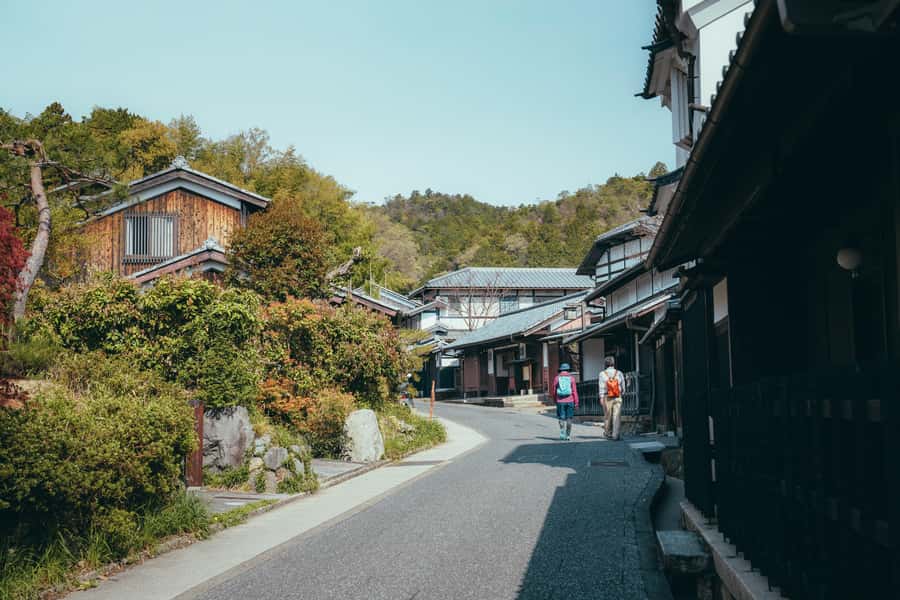
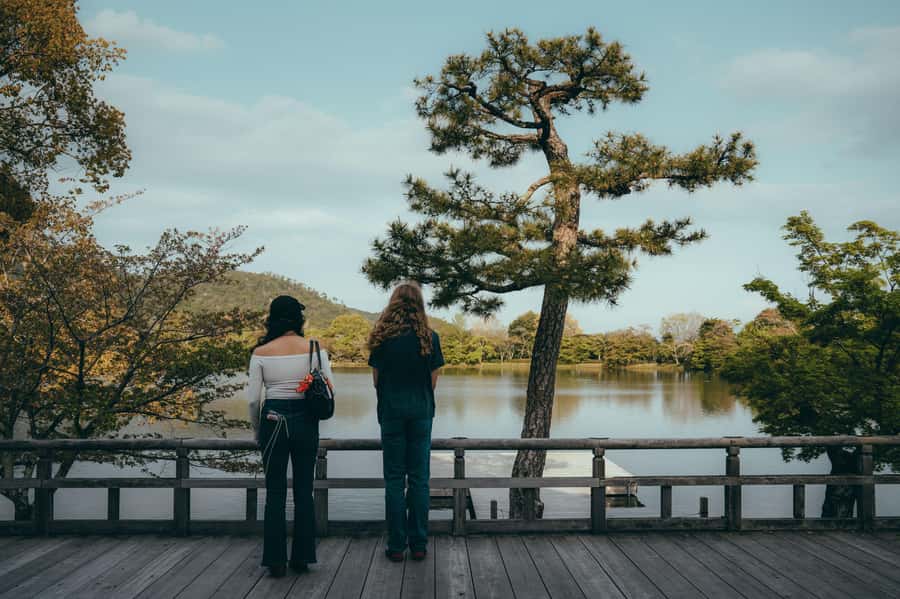
If your Kyoto plan is built around early mornings and timed tickets, this tour changes the angle. Instead of sprinting between icons, you’re guided through the city’s quieter side—smaller shrines, calmer gardens, and neighborhood lanes that most people never loop into.
What makes it work is the pacing. You’re not just seeing places. You’re being taught how to notice them—stonework, layout, seasonal details, and the little rhythms of daily life around sacred spots. That’s why it feels more “Kyoto” and less “checklist.”
You’ll also appreciate the small group setup. With a limit of 5 participants, the tour stays conversational. And because the route focuses on quieter areas, you spend less time fighting crowds for a decent view.
Still mapping out your days? A few more Kyoto tours worth a look.



The 210-Minute Format: How the Time Adds Up

The tour runs for about 210 minutes (a little over 3 hours). That’s a sweet spot: long enough to feel like you actually moved through Kyoto with purpose, but not so long that you burn the whole day.
You’ll cover a few kilometers on foot. The point isn’t distance for distance’s sake. It’s that walking links the small places together—so a shrine doesn’t feel isolated. Instead, each stop sits in a living neighborhood, with sidestreets and scenery doing part of the storytelling.
Another smart detail: you can usually choose between up to 4 prepared itineraries. The timing and season matter here. Kyoto looks and feels different across months, and the tour is designed to match what’s going on rather than forcing you into the same script every day.
Lesser-Known Temples and Shrines: What You’ll Actually Get Out of It
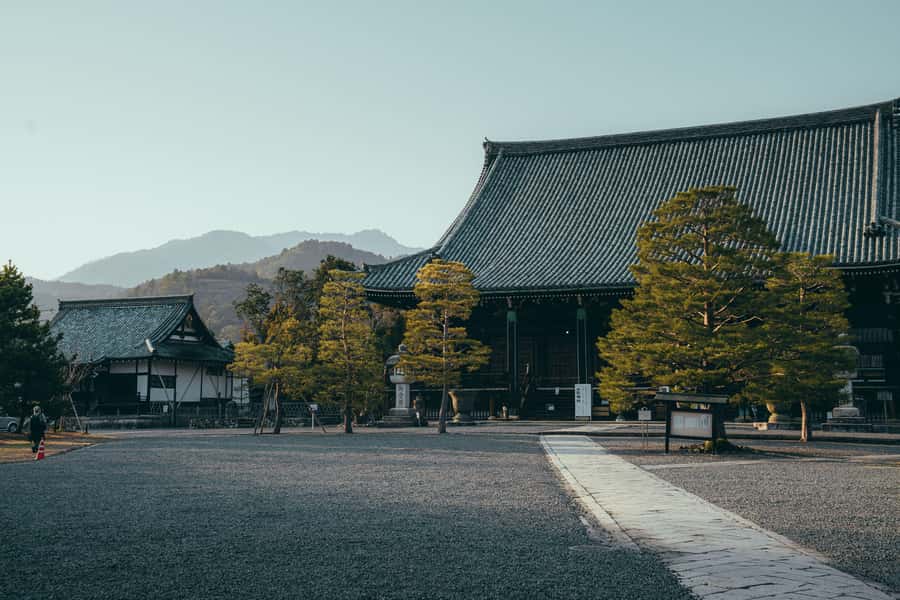
Kyoto has more temples and shrines than most people can count. The problem is that popular lists compress that richness into a few heavily visited zones. This walk takes the opposite approach: you focus on smaller, quieter sacred spaces that still carry meaning.
You’ll spend time inside or beside temples and shrines where the atmosphere is calmer and the details are easier to take in. Expect stories about history and significance, but the more useful part is the way those stories connect to how Kyoto residents think about the spaces. It’s not just dates and names—it’s the context that explains why a gate, path, or garden feature matters.
In recent feedback, one common theme is that the guide steers you to places with real history and atmosphere, not just “pretty walls.” And because you’re away from the busiest lanes, you can actually linger without feeling like you’re in a photo line.
Gardens and Seasonal Quiet: Why the Calm Matters for Photos
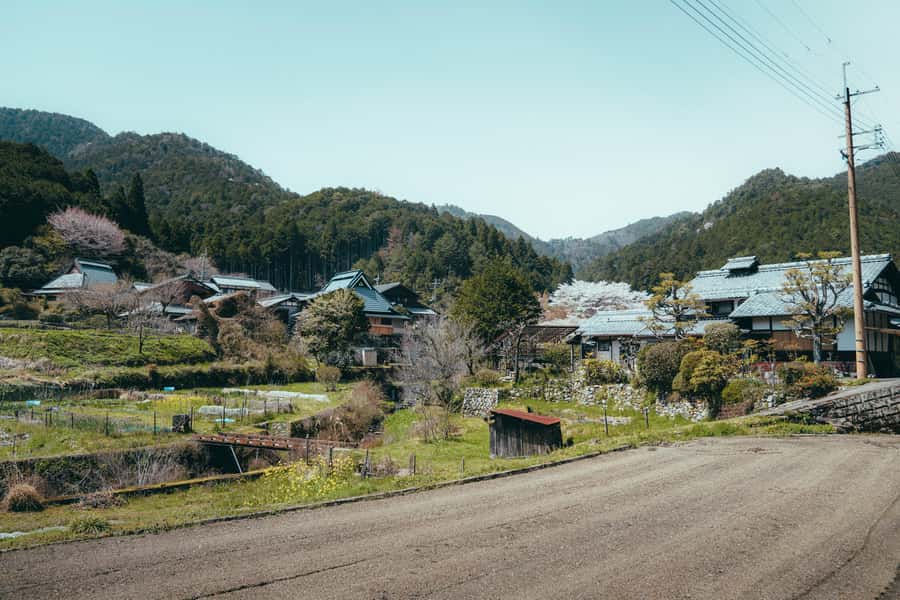
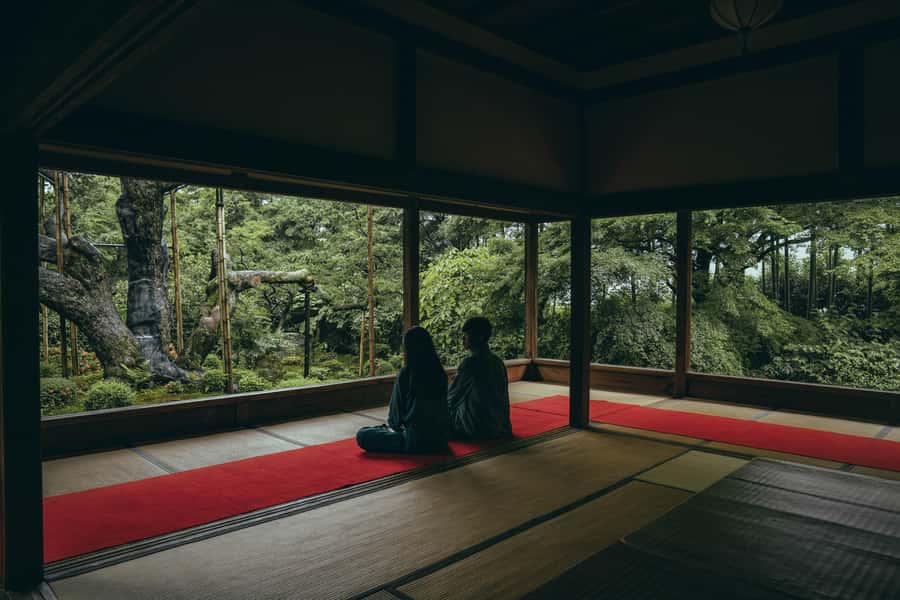
Kyoto gardens can look stunning in daylight. But the best part is what happens when you’re not rushing through them. On this tour, you get breathing room to notice shapes, textures, and angles that make a garden photograph work.
Photography is explicitly part of the experience. If you’re the type who likes to find the best light and composition (or just loves slow looking), you’ll fit right in. The tour is built for cameras, not against them.
And if you want less stress in your shots, there’s photo assistance by the guide. That can be huge in Kyoto, where you often end up with selfies only from the same few angles. Here, the guide can help you position for a clean background and take photos so you’re in at least some of your own travel memories.
Neighborhood Streets: The Part Most First-Timers Miss
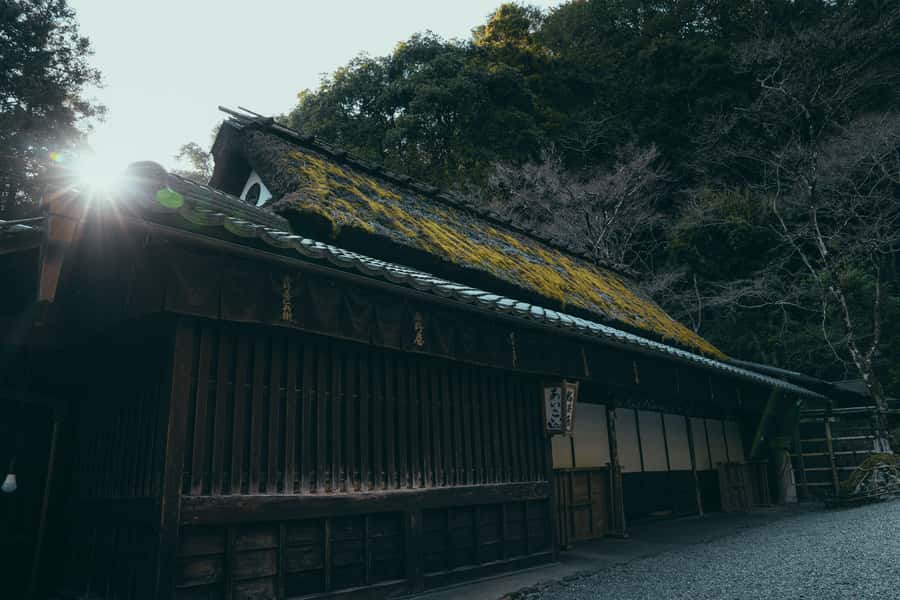
The most memorable moments on this kind of tour usually happen between the big stops. That’s where neighborhood routes shine.
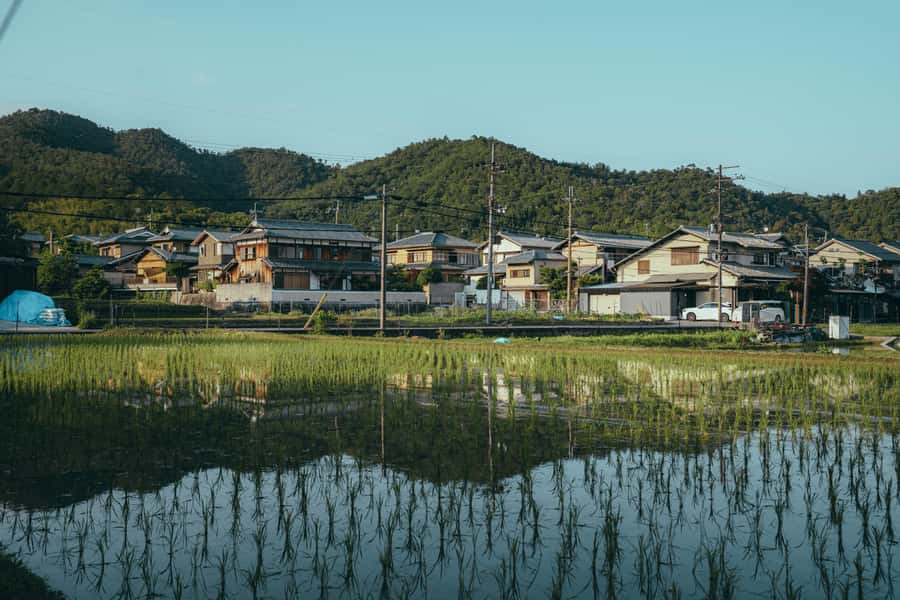
You’ll walk through charming areas where daily life blends with the city’s sacred sites. Think quiet lanes, calmer scenery, and the kind of street ambiance that makes Kyoto feel human-scale instead of museum-like. Guides often include small anecdotes about local living, which helps you understand what you’re seeing—not just what the site is.
Recent experiences also highlight how this approach makes a rainy day feel less annoying. When weather softens the crowd, the slower, quieter route can actually feel more charming, and you’ll still have places worth photographing.



Your Guide Matters: Learning + Photo Help (Often Led by Romain)
The tour is led by a live guide in French or English. The provider also runs the experience with a small-group focus, which is key for how the tour feels.
In several bookings, the guide has been Romain, and the consistent praise is about steering people to the kind of Kyoto they can’t find alone. The tour doesn’t just hand you directions. It gives you reasons—how to read the places, what to notice, and how the quiet spaces connect to Kyoto’s everyday life.
If you’re shy or just not into loud group dynamics, this is the right style. Small group size plus quiet routes makes it easier to hear explanations without yelling over crowds.
Tea Stop Energy: A Slow Break You Can Actually Enjoy
Some Kyoto walking plans shove you into another major site right as you’re thinking about food or rest. This tour builds in a natural rhythm. In past experiences, the walk has included a tea house stop with Japanese sweets or pastries.
Even if your itinerary variation ends with something different, the intent stays the same: a calm break that matches the tour’s pace. It’s a good moment to step out of the rain (if it’s raining), warm up, or simply slow down and let your senses reset.
Since meals and drinks aren’t included, you’ll likely pay for tea yourself if you stop. But it’s one of the few ways to make your Kyoto break feel local and unhurried.
Price and Value: Why $44 Can Make Sense in Kyoto
At $44 per person for about 210 minutes, this tour is priced for what you’re actually buying: a trained guide, a route designed to avoid crowds, and photo assistance.
Kyoto tours often fail in one of two ways: either they’re too generic (leading you through the same busy stops), or they’re too long and you feel exhausted and underwhelmed by the end. Here, the timing is tight enough to stay enjoyable, and the crowd-avoidance focus is the selling point.
Also, the optional photography package can change the value equation. If you choose it, you get about 10 high-quality photos, and the tour becomes fully private. That’s a strong deal if you’re traveling with a partner (or friends) and you want real photos without doing the same “please take this picture of us” routine all day.
What’s Included (and What You’ll Pay For Along the Way)
This experience includes:
- A guided walking tour of lesser-known temples, shrines, and neighborhoods
- Photography assistance by the guide
Not included:
- Meals and drinks
- Transportation to the meeting point
You should also plan for entry tickets. Bring cash, because the tour info notes that credit cards aren’t widely accepted in many of these places. Even if you don’t buy snacks, cash is still smart because entry fees can pop up on the route.
In other words, the tour saves you the headache of deciding what to see next. You still handle small purchases, which is normal for Kyoto’s smaller sites.
Logistics That Matter: Shoes, Cash, and Real Walking Time
The tour covers walking for a few kilometers, so you need shoes that won’t punish your feet after day one in Kyoto. Comfortable walking shoes are a must.
Bring cash. The reason is practical: you may need it for temple/shrine entry tickets and for drinks or snacks. Kyoto is modern in many areas, but smaller stops often work better with cash in hand.
Also consider weather. The tour is designed to run in different conditions, and you should be ready. Bring a hat and sunscreen if it’s sunny. If it’s rainy, an umbrella or raincoat will keep the walking comfortable.
Small-Group Comfort for Introverts and Noise-Sensitive Visitors
This is explicitly a good fit if you’re sensitive to crowds and noise. With a max group size of 5, you get a calmer experience, and guides can adjust the pace based on the group.
It also helps if you’re traveling solo or you don’t love big group chatter. You’re not swallowed by a swarm. You can ask questions without waiting for the whole crowd to settle down.
That slower, mindful approach is part of the tour design. If you’ve had enough of rushing between famous spots, this is a refreshing change of tempo.
Who This Tour Is Best For (and Who Should Skip It)
This tour fits:
- First-time Kyoto visitors who want more than the same headline sites
- Repeat visitors who are tired of the usual crowd routes
- Photographers who want quieter angles and guidance
- Introverts, shy travelers, and anyone who prefers small groups
It may not fit if:
- You need wheelchair access or have mobility impairments
- You’re traveling with children under 12
In short: this is a walking-forward experience. If you’re comfortable on your feet and want a calmer Kyoto route, you’ll likely enjoy it.
Should You Book This Kyoto Quiet-Side Walk?
Yes—if your main goal is Kyoto without the crush. This tour is built for quieter areas, slower pacing, and meaningful context. It’s also ideal if photos matter to you, because you get both practical photo help and the option to go fully private with professional-style pictures.
I’d skip it if you only want big-name stops and you’re set on ticking off the most famous temples. This is about lesser-known sites, neighborhoods, and atmosphere—so your satisfaction depends on enjoying the road less chosen.
If you’re the type who likes flexibility, the tour offers free cancellation up to 24 hours in advance. And since you can pick among up to 4 itineraries, it’s easier to match the tour to the day and season you’re actually traveling.
If you want a calmer Kyoto and photos you’ll be happy to post, this is a very solid choice.
FAQ
How long is the Kyoto walking tour?
The tour lasts about 210 minutes.
What languages are the guides?
The guide speaks French and English.
How big is the group?
The group is kept small, with a maximum of 5 participants.
Is photography included?
Photography assistance is included. There’s also an optional photography package where the guide provides about 10 high-quality pictures, and the tour becomes fully private.
What’s included in the price?
You get a guided walking tour of lesser-known temples, shrines, and neighborhoods, plus photography assistance from the guide.
What isn’t included?
Meals and drinks are not included, and transportation to the meeting point is also not included.
Do I need cash?
Yes. You should bring cash for entry tickets, and for any drinks or snacks you buy, since many places do not accept credit cards.
What should I bring?
Bring comfortable walking shoes and some cash.
Is it suitable for children or people with mobility needs?
It isn’t suitable for children under 12, and it’s not suitable for people with mobility impairments or wheelchair users.







